
There are many, many sights and “must-see” spots on a trip to South Africa, but probably topping the list (especially for anyone with any awareness of the long and hard ongoing struggle in this strong and resilient country) would be SOWETO.
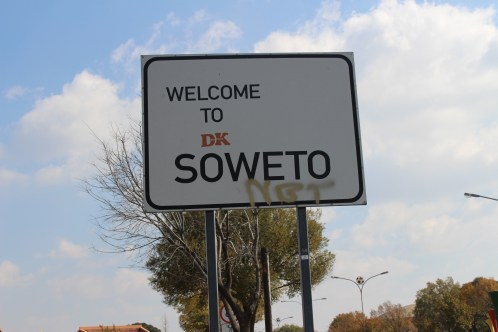
Soweto is a neighborhood in the Gauteng province of Johannesburg, South Africa that is most well known for being the site of a political uprising among students that occurred around the mid 1970s. There were violent clashes between the students and police, during which hundreds of people were killed.
The township has a long history dating back to the 1800s, and its residents have included Nelson Mandela and Bishop Desmond Tutu.
 The township is very poor, and many of its residents live in what are known as shanty towns that are poorly equipped with services, if there are even any at all.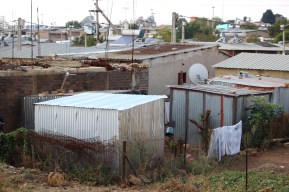
I saw a news story on television during my stay in Johannesburg that described promising efforts being made on the part of some local politicians and groups to create better housing and improved living conditions in these communities.
Like any vibrant locale full of people coming and going, there was much to see. The only thing I might not have expected, however, were goat sightings. And yet…


After driving through these neighborhoods, I went on to tour the Nelson Mandela House, where the Nobel Peace Prize winner resided for about sixteen years. After that was lunch on Vilakazi Street in Soweto on the busy outdoor terrace at Sakhumzi Restaurant.
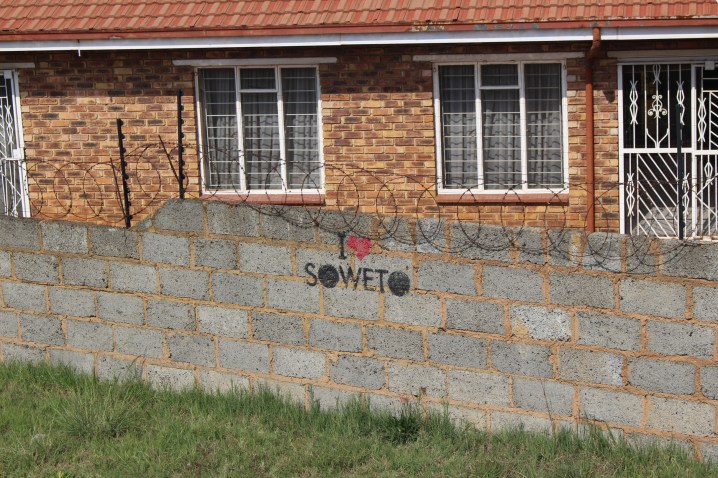
That afternoon in Soweto was a moving experience that was edifying and inspiring, and left a deep and strong impression.


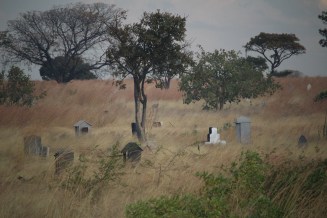
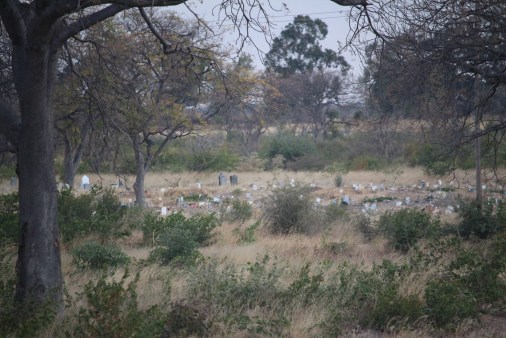 rough visual beauty of bent headstones, the variety of granite, marble, bronze, and other stones, with their assorted inscriptions, along with the stories that will remain forever untold, not to mention the allure of secrets taken to the grave.

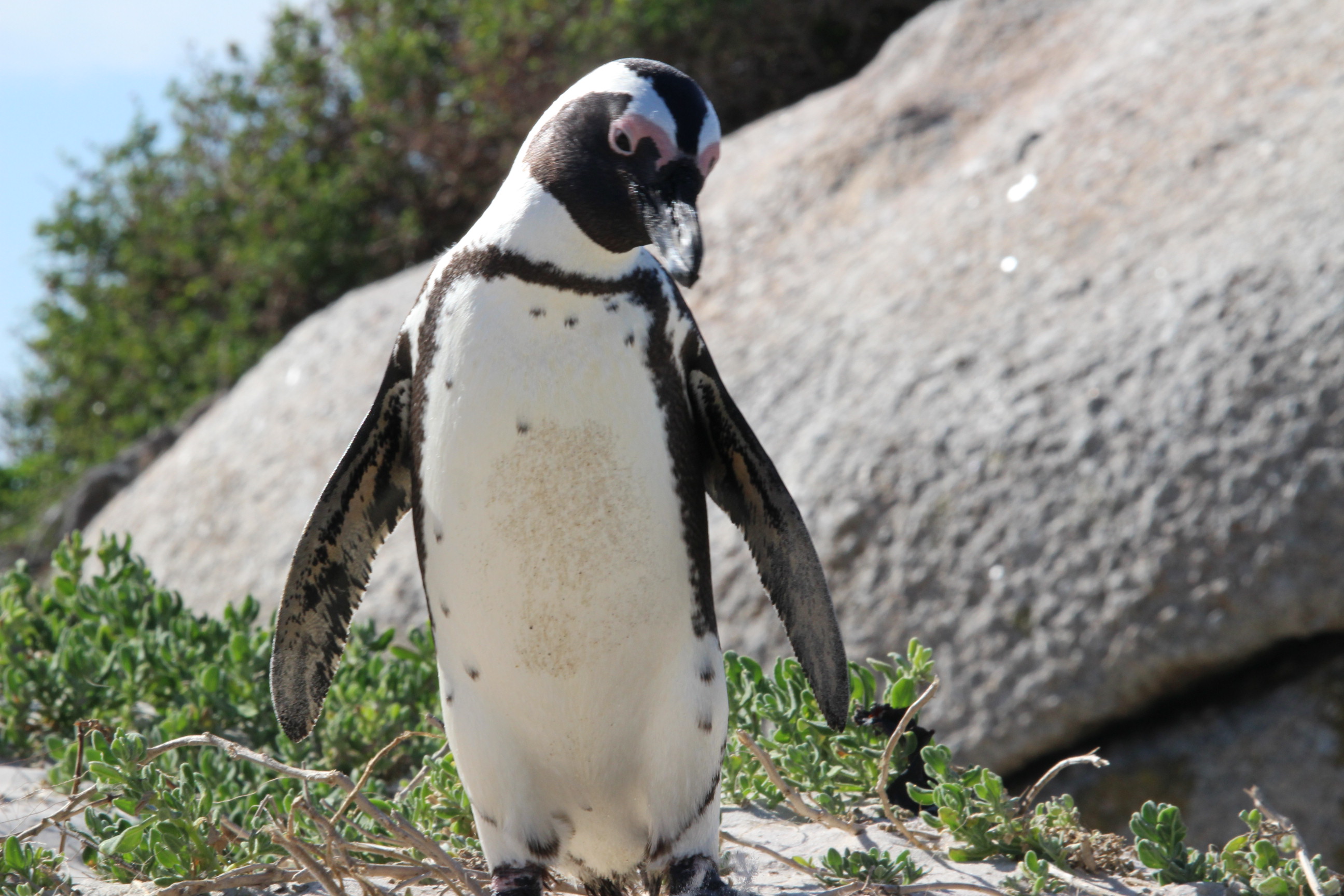
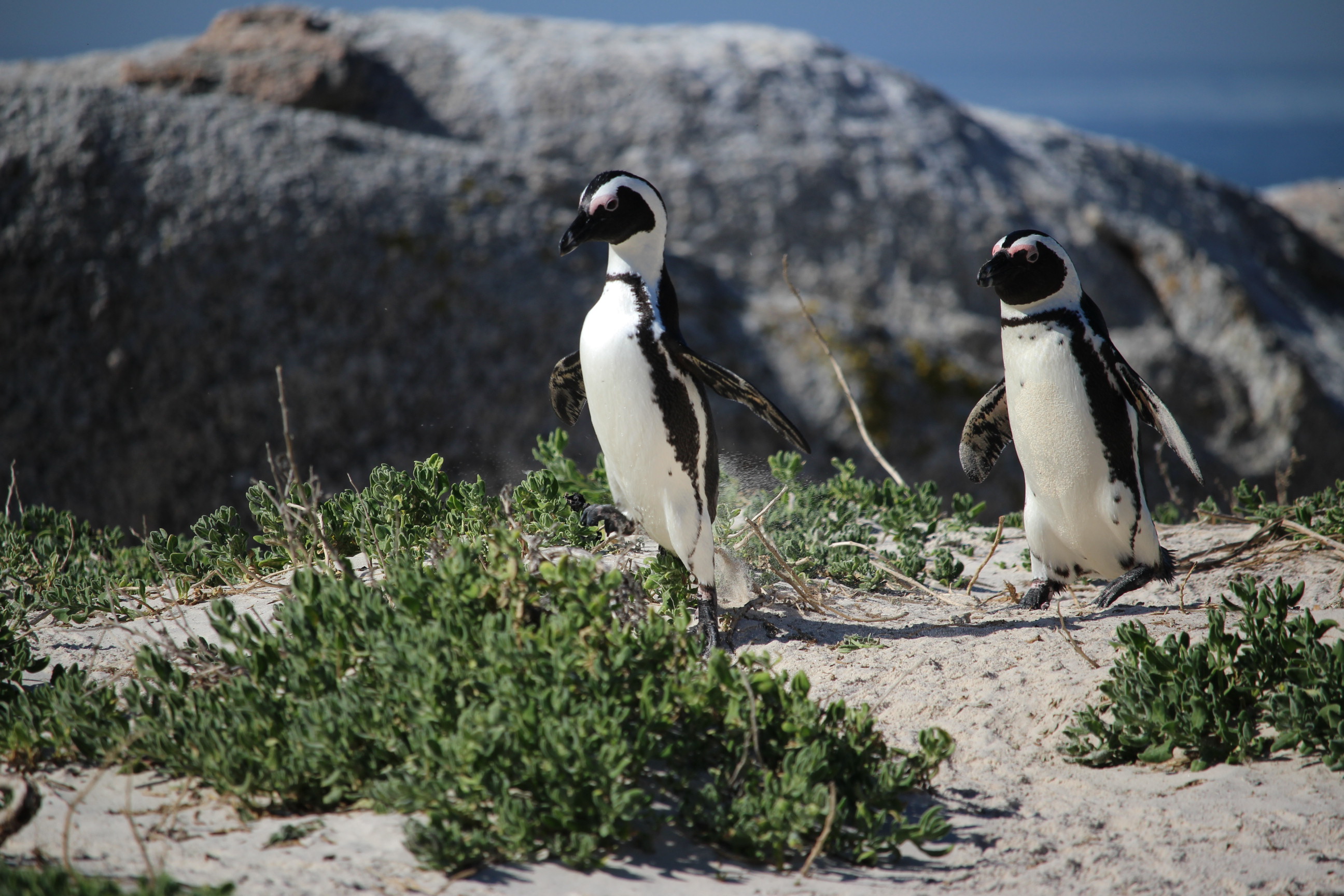

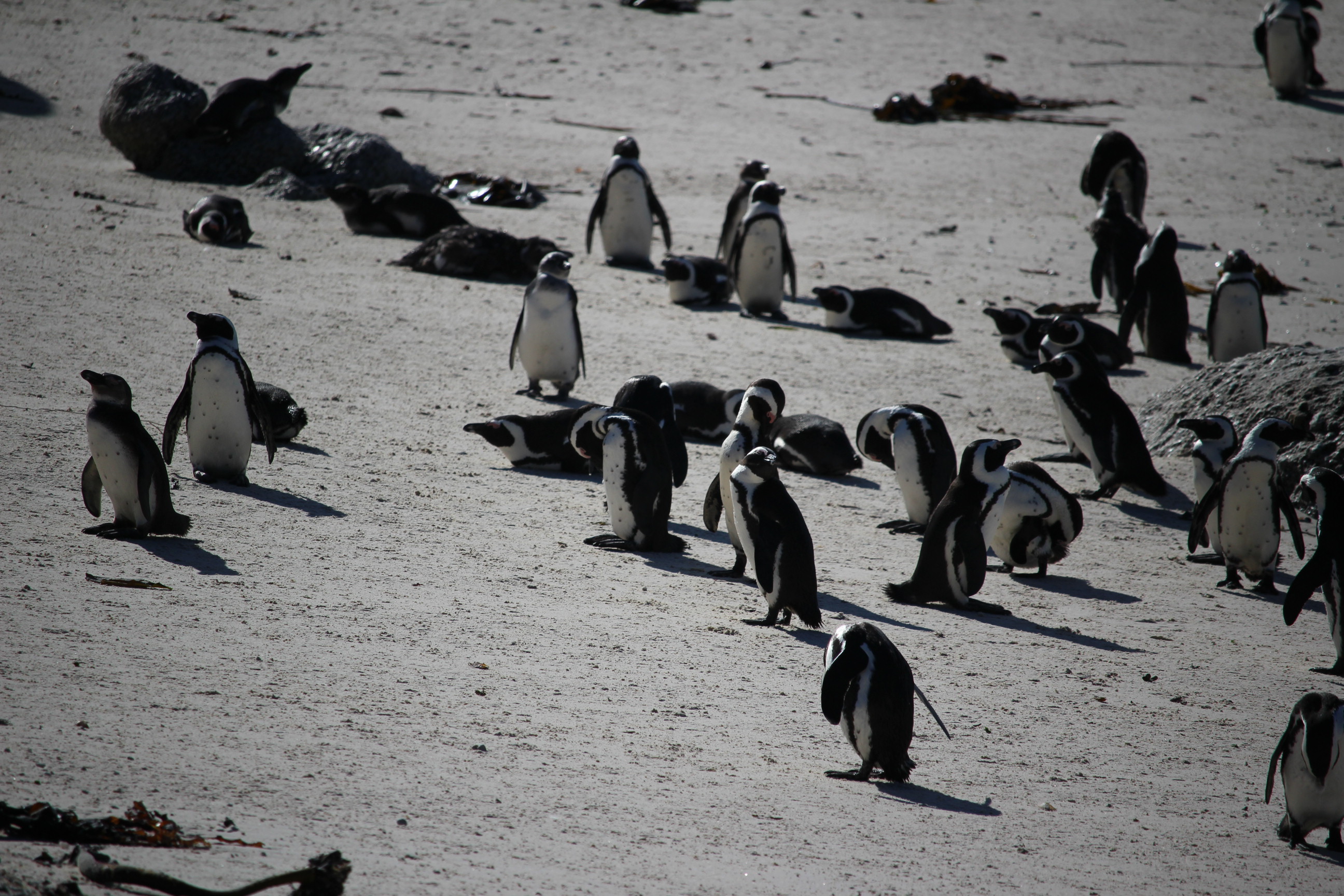
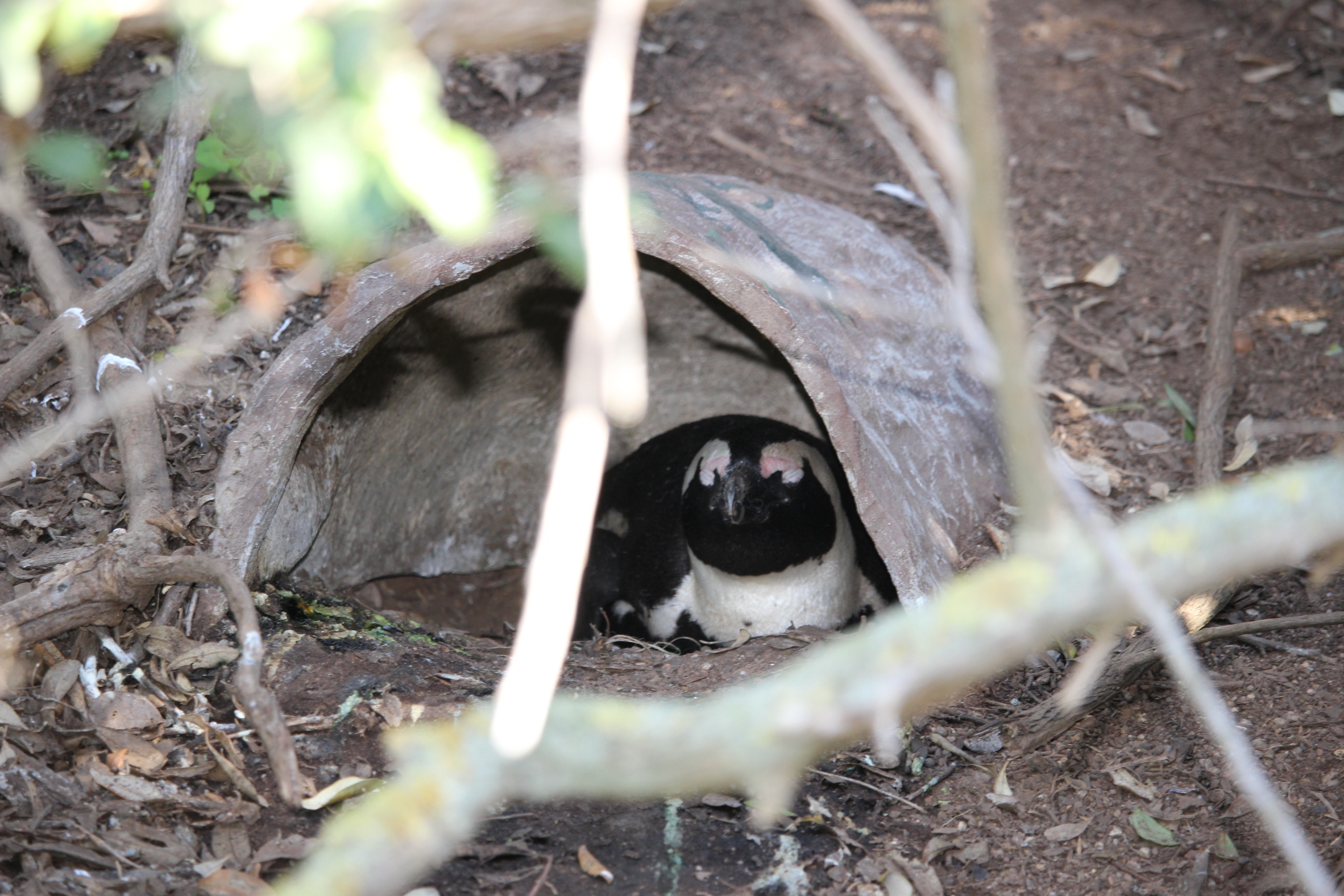




 .
.
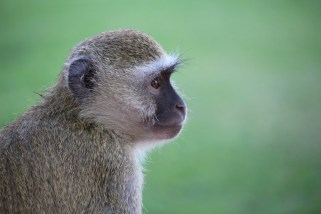 At Victoria Falls Hotel in Zimbabwe, there were many many vervet monkeys. They were all over the lawn, often in pairs or groups. As with the baboons, they were unafraid of a human presence. They’re small, originally native to southern Africa, and mostly herbivores. Not to mention, their faces are as adorable as a chubby toddler.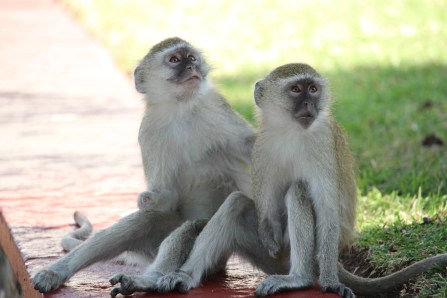
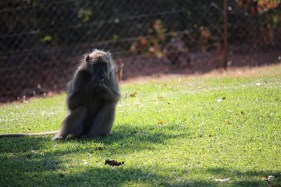
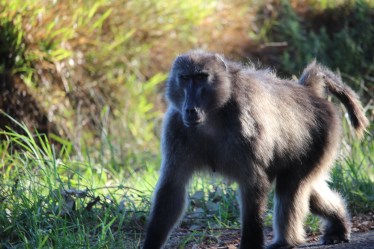 ctured above were in Zimbabwe. I didn’t see any monkeys again until the Cape of Good Hope at the southern tip of South Africa. On the drive back to Cape Town, the guide spotted a small family of baboons in the wild, including a baby (not pictured) that was climbing a tree by the side of the road.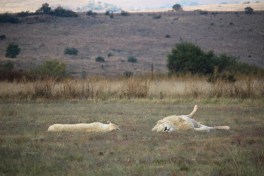
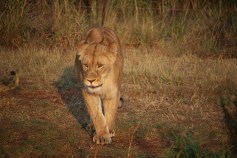 ee in a reserve. Here I have included a shot of each type. When we saw the white or albino lions, they were mostly sleeping — something lions do the vast majority of the time, we learned, on average 20 hours a day.
 o mess with Mama Rhino — successfully chased him off.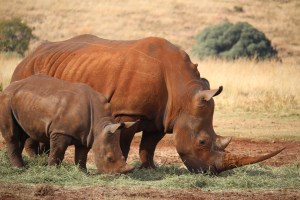
 These family oriented,
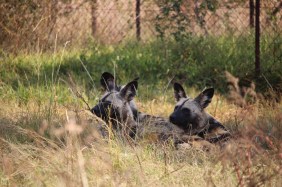
  And below, just for fun, are a few extra pictures thrown in: One is of a couple of playful hippos, one is of a small band of slightly hidden wild dogs, and one is of a wart hog, described by many a tour guide as “not winning any beauty contests.“

 I’ve always favored the night hours over the day. They are often my best hours for productivity. I am most “awake” (alert, alive) during the darkest hours, usually between midnight and 4 a.m., while much of the rest of my time zone sleeps. It is when my best ideas occur to me, the most creative thoughts arise, and the most organized planning happens.
 able next-day fatigue, overall I have made peace with these nocturnal tendencies.
 When you lack sleep, as millions of people know, it feels like a vicious cycle of never quite catching up. A fine balance of caffeine to wind up and herbal tea to wind down. In the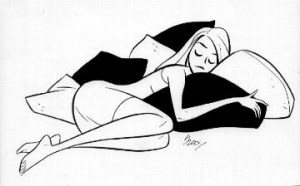
 stories for different times and circumstances. A daytime power nap or a nighttime sleep passage could be powered by a
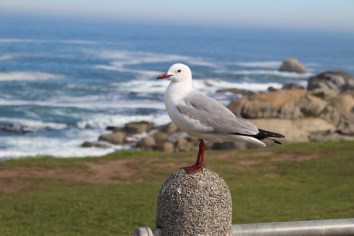 rse, and perhaps the ostrich and the penguin).
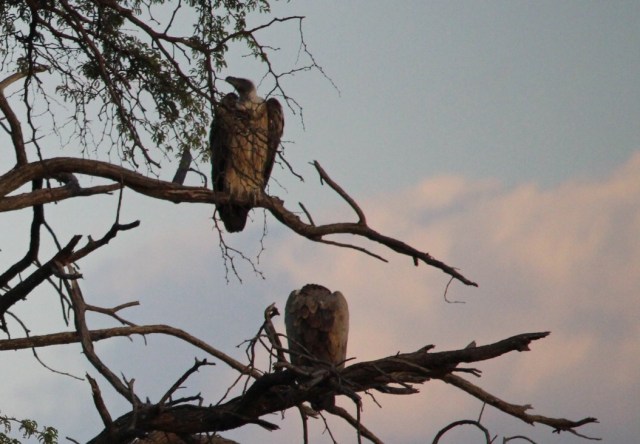
 vulture, who is there for the opposite reason — namely to feed off of the remains of the kill. Still an important task, and nonetheless a worthy indicator of potential danger).

 they were waiting to scavenge the spoils of a lion’s kill.
 Traverse: a travel diary